Guide · Hiking
How to Prevent Blisters in Hiking Boots
A blister can turn a great hike into a long limp back to the car. Blisters come from friction, heat and moisture, and almost all of them start as a hot spot you can feel before the skin breaks.
Why hiking boots cause blisters
- Heels lifting inside the boot on climbs
- Toes sliding forward and hitting the front of the boot on descents
- Damp skin from sweat or wet trails
- New boots that haven’t softened yet
Prevention checklist
- Break boots in on short walks before a long trip.
- Wear moisture-wicking socks (not cotton) and carry a dry pair.
- Lace to lock the heel so it doesn’t slide up and down.
- Stop at the first hot spot and cover it right away.
- Protect known trouble spots before you start: toes, heels and the sides of the foot.
Reusable gel protection
Unlike tape or moleskin, Bunga gel pads cushion as well as protect, and they can be washed and reused trip after trip. Use a Blister Cushion or Gel Disc on heels and hot spots, and toe caps or gel tubing to protect toes on long descents.
Shop hiking protection
-
Sale!
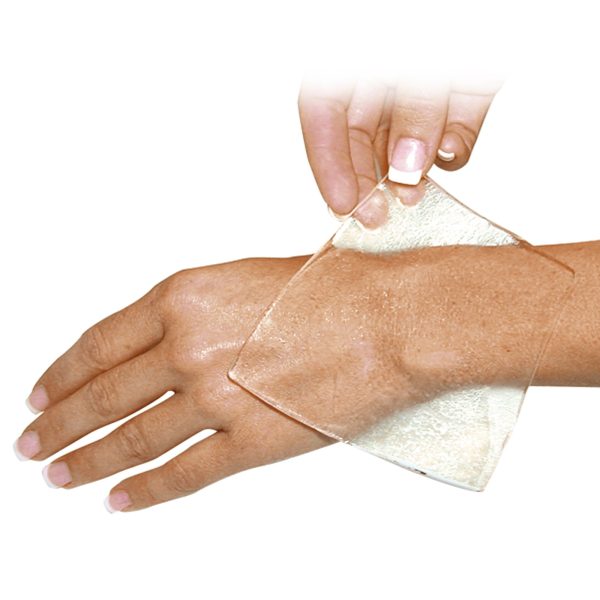
Bunga Blister Cushion
$15.67 Select options This product has multiple variants. The options may be chosen on the product page -
Sale!
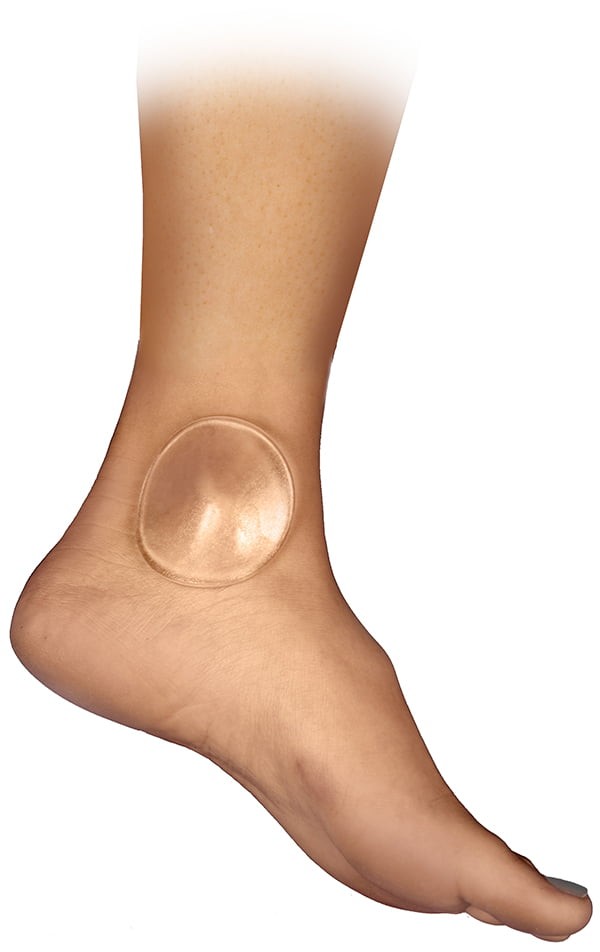
Bunga Gel Disc
Price range: $12.97 through $19.99 Select options This product has multiple variants. The options may be chosen on the product page -
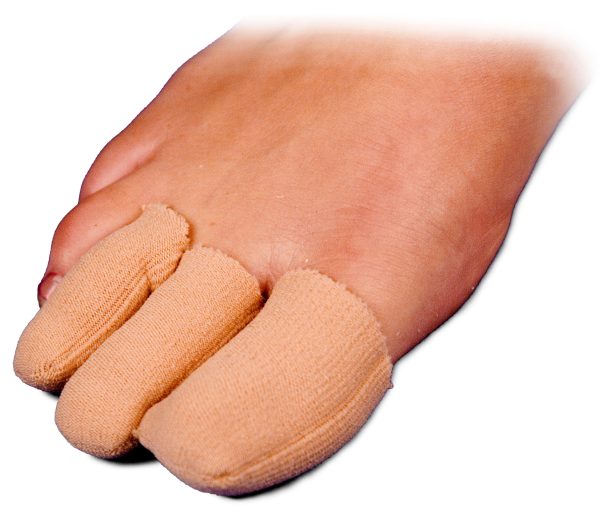
Bunga Finger & Toe Caps – Fabric Covered
$14.67 Select options This product has multiple variants. The options may be chosen on the product page -
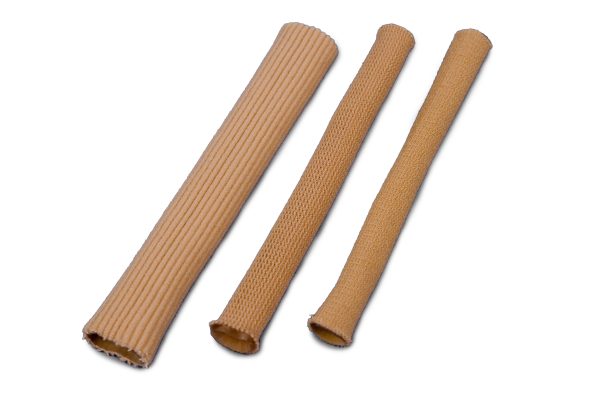
Bunga Gel Tubing
$9.47 Select options This product has multiple variants. The options may be chosen on the product page -
Sale!
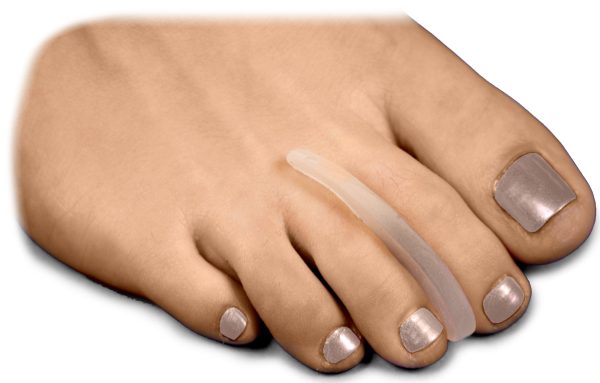
Bunga Toe Separators
Price range: $8.87 through $10.07 Select options This product has multiple variants. The options may be chosen on the product page -
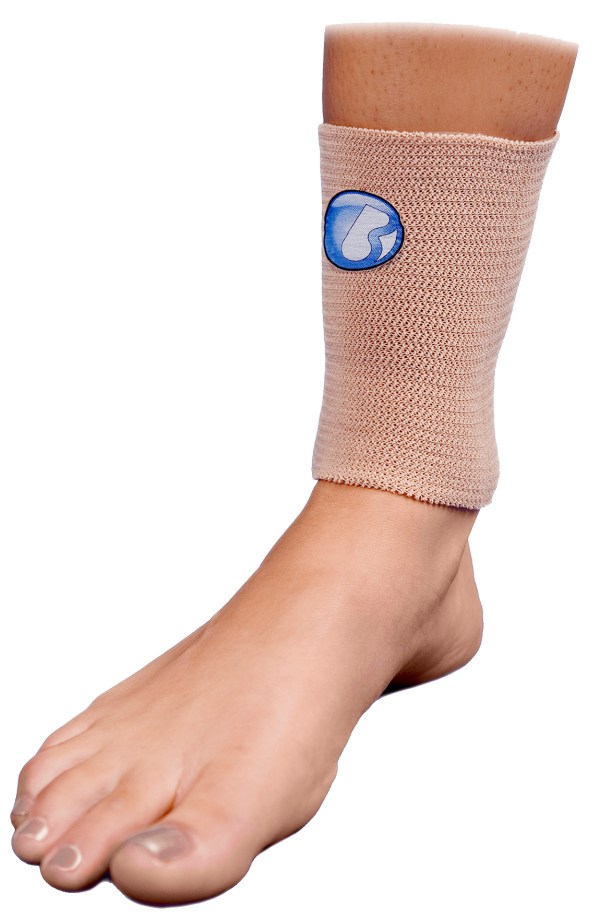
Bunga Gel Ankle Sleeve
Price range: $12.99 through $25.98 Select options This product has multiple variants. The options may be chosen on the product page
Keeping Athletes in the Game™ since 1994. Not sure which pad or size you need? Tell us your sport, skate or shoe size and where it hurts.
This guide is general information, not medical advice. If pain is severe, keeps coming back or you notice swelling or numbness, see a medical professional.